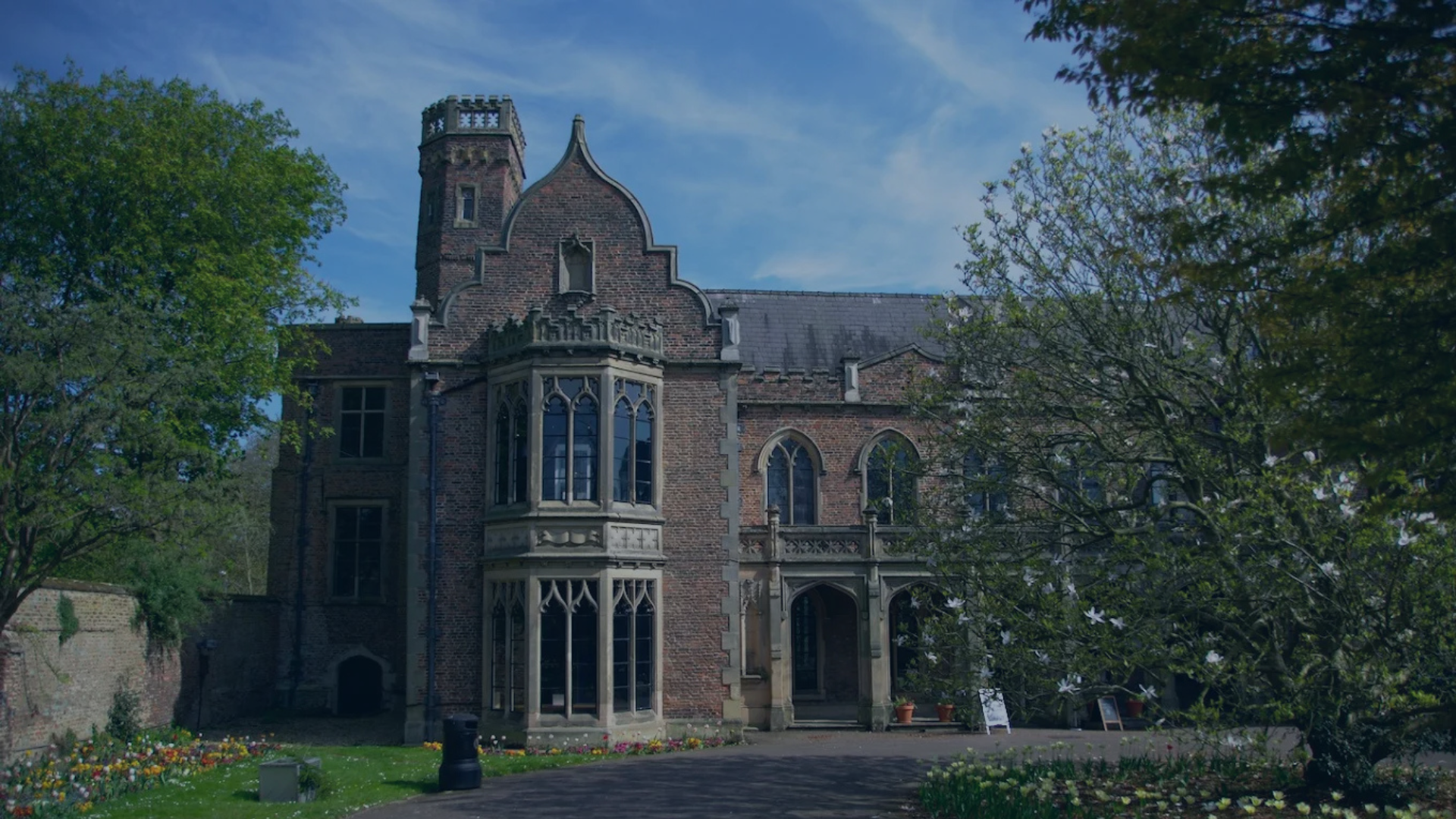
Ayscoughfee Hall & Gardens

Stories rooted in Spalding’s past
Dating back to the mid-15th century, Ayscoughfee Hall and Gardens is a Grade I listed building and has evolved over hundreds of years, reflecting changes in domestic life and local society. Set over five acres of gardens, the Hall offers a welcoming place to explore the town’s past.
As one of the three hub sites for the Story Tellers NPO project, Ayscoughfee Hall provides a rich and atmospheric setting for storytelling rooted in place.
Its historic rooms, collections and gardens create opportunities to uncover everyday histories and community memories that connect people to Spalding and the wider Fens.

Connecting heritage with local voices
Ayscoughfee Hall plays an important role in supporting the Story Tellers project’s focus on culture rooted in the community. Through events and creative workshops, the venue helps bring Spalding’s stories into the present, encouraging people to engage with local history in ways that feel modern and meaningful.
The Hall and Gardens offer space for reflection and creativity. By placing storytelling at the heart of cultural activity, Ayscoughfee Hall & Gardens helps us to build pride and a stronger sense of belonging within the community.
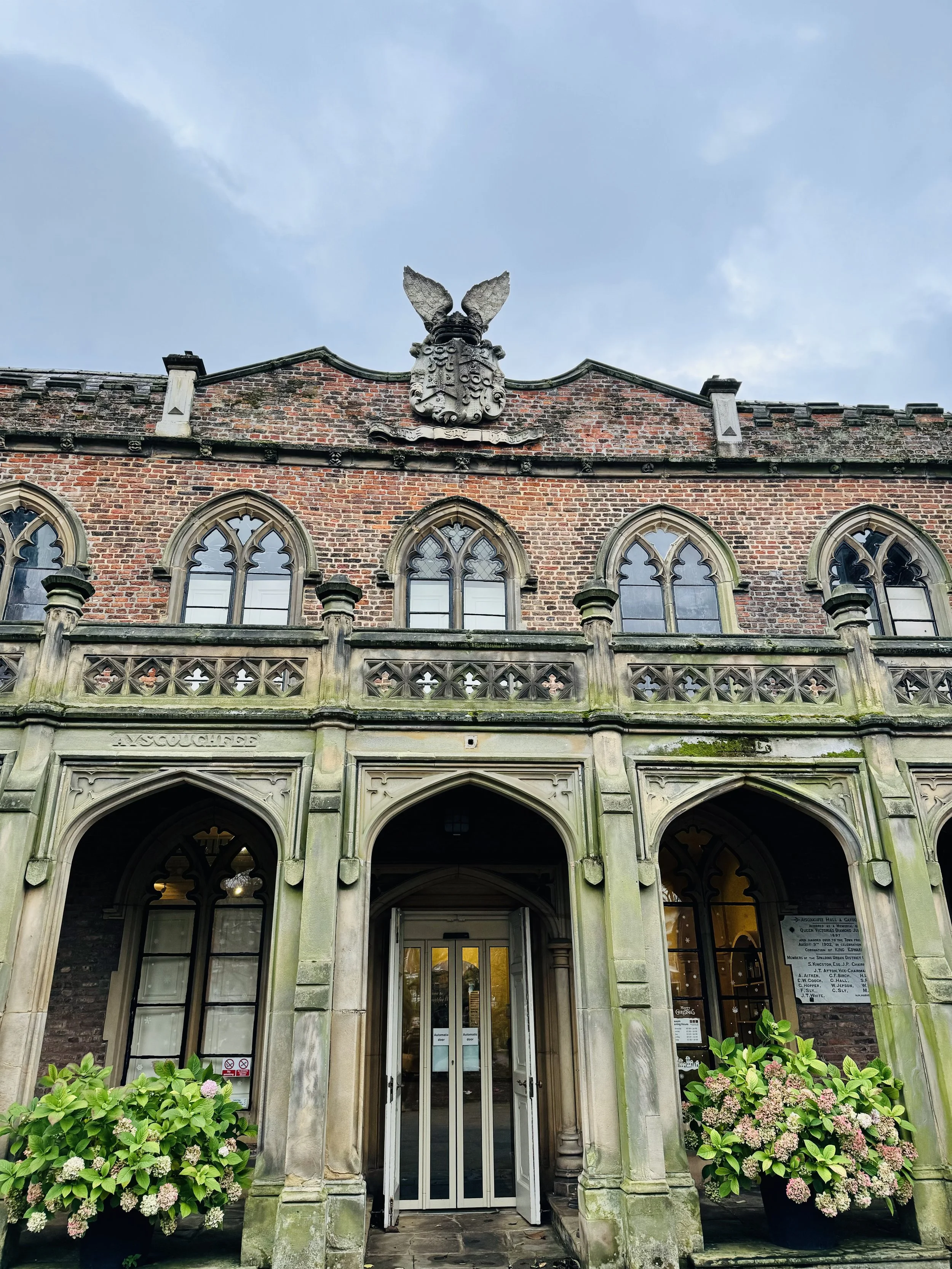
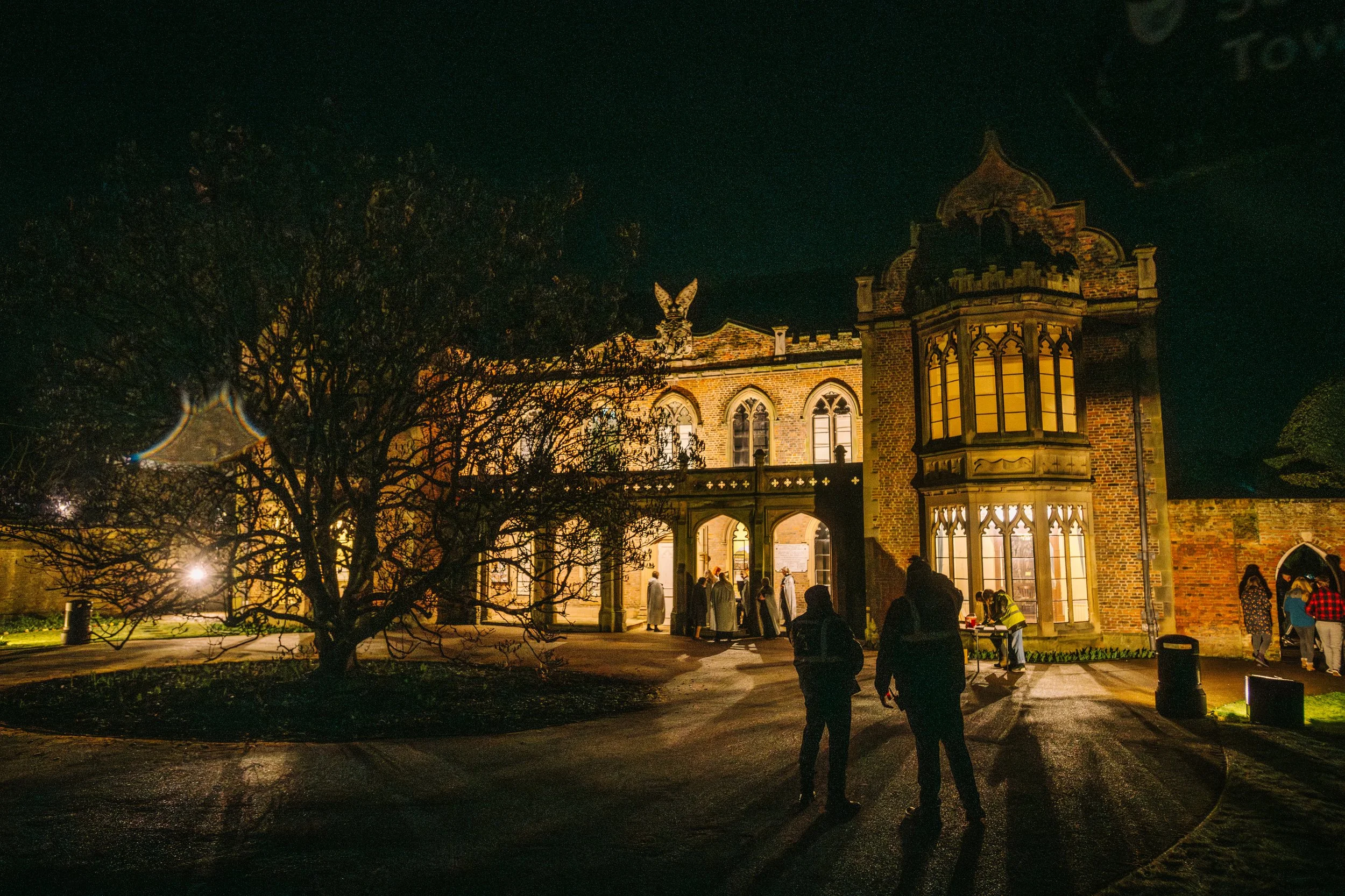
Indoor and outdoor spaces for culture and creativity
Alongside its permanent displays, Ayscoughfee Hall and Gardens hosts a wide range of activities that support education and creativity.
Historic rooms and exhibition spaces suitable for talks, displays, workshops and performances.
Museum collections that explore local life, domestic history and social change in South Holland.
Large, picturesque gardens providing outdoor space for events and seasonal activities.
View our other hub sites
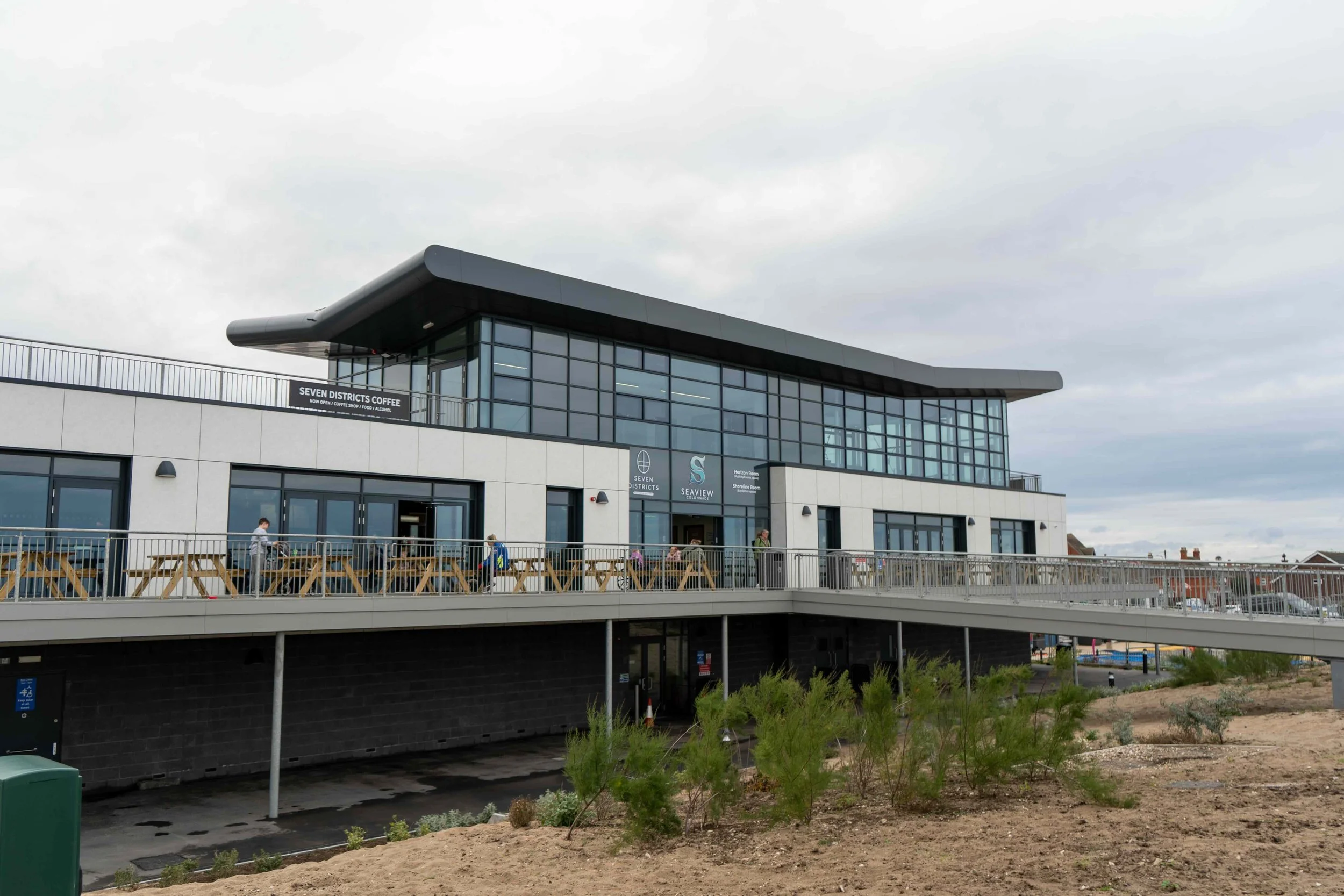
Seaview Colonnade
The Seaview Colonnade is a newly constructed cultural and community landmark in the heart of Sutton on Sea. The venue plays a starring role as one of the hub sites for our Story Tellers NPO project.

Boston Guildhall
Boston Guildhall is one of the town’s most important buildings. Dating all the way back to the 1390s, it was built for the Guild of St Mary at a time when Boston was one of England’s most powerful ports.